
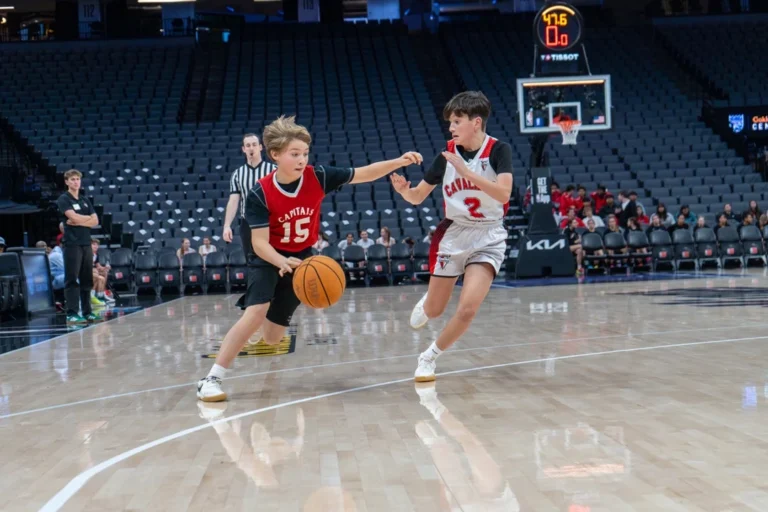
Balancing classwork, practices, games, and still having a life can feel impossible some days. Yet student-athletes consistently show it can be done—nationally athletes reached a 91% Graduation Success Rate in 2024, proving that busy sports schedules and strong academics really can go together. As a Christian High School in Sacramento, CA, we walk with students every day who are learning how to study hard, compete well, and grow in their faith at the same time.
| Question | Short Answer |
|---|---|
| Can students really excel in both academics and sports? | Yes. National graduation data for student-athletes is at record highs, and we see the same when students use solid routines, ask for help early, and lean on school support services like our student services team. |
| What’s the biggest key to balancing school and athletics? | Planning ahead. Using a weekly schedule, checking assignment portals regularly, and communicating with teachers and coaches before conflicts arise makes a huge difference. |
| How early should students start learning time management? | Middle school is ideal, especially since our sports program begins there and continues through high school. The earlier students learn healthy habits, the easier high school becomes. |
| Can faith really help with balance and stress? | Absolutely. At our campus we talk often about trusting God, resting in Him, and remembering our identity in Christ is more important than any grade or scoreboard result, which brings perspective and peace. |
| How does SAA specifically support student-athletes? | We integrate faith, rigorous academics (including all AP course offerings), and athletics like Sacramento Adventist Academy Basketball, cross country, soccer, volleyball, flag football, and more, all within a caring Christian community. You can see what makes us unique here: Why Sacramento Adventist Academy. |
| Is it realistic for my child to join multiple sports and still do well in school? | It can be, if you’re honest about limits and build good routines around homework, sleep, and rest. Some seasons will be busier than others, and that’s where communication and wise choices with workload and planning in advance matter. |
| Where do we start if we’re considering a Christian school that values both? | Visit, ask questions, and talk with coaches and teachers. If you’re exploring our campus, you can begin the application process here: Apply to Sacramento Adventist Academy. |
Being a student-athlete is about more than trophies and test scores. It’s about becoming the kind of person who can handle responsibility, pressure, and change without losing who they are in Christ.
At our Christian High School in Carmichael, CA, we see sports as one part of a bigger picture—mind, body, and spirit working together. When students learn to manage their time, care for their health, and keep God first, they’re building skills that serve them well long after graduation.
We believe God cares about how students compete and how they study. A big part of balance is remembering that success isn’t just a GPA or a scoreboard, it’s growing closer to Jesus while doing your best in every area.
That’s why our mission and school-wide learner outcomes talk about living healthy and balanced lives, thinking critically, showing grit, and nurturing relationships. Athletics, AP courses, and spiritual life on campus all point in that same direction.
It’s hard to balance things you haven’t thought deeply about. One of the first questions we encourage student-athletes to ask is, “Why am I doing this?”—both academically and athletically.
Some students play because they love the game, some because they want community, others because they’re aiming for college opportunities. The same is true with classes—some want a challenging AP path, others want to build confidence and strong study habits.

When students have a clear “why,” it becomes much easier to say no to distractions and yes to healthy habits that support both school and sports.
A lot of stress around balancing academics and sports comes from surprises: a test you forgot about, a game that runs late, or a project due the morning after an away match. We help students treat their week like a “practice schedule” for life.
One simple tool we love is a Sunday planning session. Take 15–20 minutes to look at game days, practices, travel, tests, quizzes, and due dates, then decide when homework, studying, and rest will happen.


| Time | Before School | After School | Evening |
|---|---|---|---|
| Mon–Thu | Quick review (10–15 minutes) or prayer/devotion | Practice / Game | Homework blocks, dinner, screen-free wind-down |
| Friday | Check grades & missing work | Light practice / rest | Family, worship, early night |
| Weekend | Sabbath worship & rest | Games / social time (as scheduled) | Sunday planning & project work |
We also encourage students to use short “found time” during the day—10 minutes before practice, 15 minutes after lunch—to study flashcards, read a chapter, or review notes instead of scrolling on a phone.
One of the biggest mistakes student-athletes make is waiting until they feel overwhelmed before asking for help. We constantly remind our students: needing support doesn’t mean you’re failing—it means you’re wise.
At our campus, that support can look like teacher office hours, peer study groups, or checking in with our counseling and support staff when life gets heavy. It can also mean small adjustments to how students study before and during especially demanding sports weeks.
We also ensure that all grades are updated by each Tuesday for athletic eligibility.

Parents play a huge role in balance. Simple things like asking about upcoming tests, helping a middle schooler map out their week, or encouraging an early bedtime before a big game all add up.
We also encourage families to watch for signs of burnout—constant irritability, loss of joy in the sport, falling grades, or chronic fatigue—and to reach out early so we can work together on solutions.
When practices and games are in full swing, studying can’t just be “whenever I feel like it.” It needs to be intentional and efficient. We coach our student-athletes to study smarter, not just longer.
One simple approach is the “40–10” method: 40 minutes of focused work followed by a 10-minute break. For younger students or on very tired days, even 20–5 can make a difference. The key is putting the phone away and actually focusing during those blocks.


We remind students that being an athlete already trains discipline. Those same habits—showing up, practicing daily, pushing through hard drills—translate beautifully into study life.
You can’t pour from an empty cup. Student-athletes need fuel—not just physically, but mentally and spiritually. When sleep, nutrition, and rest slip, grades and performance on the field usually follow.
We encourage simple health foundations: regular bedtimes, consistent meals, and at least a few minutes each day to be still with God—reading Scripture, praying, or just breathing and remembering His presence.

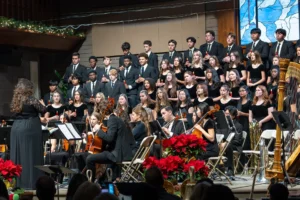
When students take care of their bodies and souls, their minds are sharper for both the classroom and competition.
Balance gets much easier when adults are communicating well. We encourage our student-athletes to speak up early: “I have an away game Thursday; can I get the assignment ahead of time?” or “Can we talk about my test score before practice?”
On our side, we see teachers, coaches, and parents as one team. Coaches understand that academics and spiritual growth are priorities, and teachers understand that sports teach responsibility, leadership, and perseverance.
Healthy communication keeps small problems from becoming crises, especially during intense weeks of games, travel, and tests.
At our school, balancing academics and sports is daily life. We offer AP course options along with a full athletics program that includes basketball, flag football, soccer, volleyball, cross country, and National Honors Society for students who are ready for leadership and academic challenge.
For example, Sacramento Adventist Academy Basketball athletes often take honors or AP classes, participate in campus ministries, and still make time for family and church. The same is true for runners in cross country or students involved in Sacramento Girls Football through our flag football program.
The students who thrive in both academics and sports usually:
We remind them often: your worth is not measured in minutes played or letters on a report card. You are loved first as a child of God.
Even with good planning, there will be hard weeks—an injury, a tough class, a close loss, or a season where everything feels like “too much.” That doesn’t mean you’re failing; it means you’re human.
We talk honestly with students about managing expectations, choosing commitments wisely, and sometimes stepping back when a schedule becomes unhealthy. Saying “no” to a new activity can be just as mature as saying “yes.”
Some signs that a schedule might need adjusting:
In those moments, we encourage prayerful reflection as a family, conversation with coaches and teachers, and sometimes decisions to lighten the load for a season.
Because our sports program starts in middle school and continues through high school, we get to walk with students as their responsibilities grow. What begins as learning to pack a sports bag and remember homework can become, by high school, managing AP courses, leadership roles, and varsity sports.
We don’t expect a 6th grader to manage time like a senior. Instead, we build skills step by step—using planners, checking grades regularly, talking with teachers, and thinking through how choices today shape tomorrow.
For younger students, that might look like:
As they move into high school, these habits make the jump to tougher classes and more competitive sports much smoother.
At the end of the day, how we balance academics and sports flows out of what we believe about God and ourselves. We remind our students often: you are more than a student, more than an athlete—you are a child of God called to love Him and others in everything you do.
That means giving your best effort in class and at practice, telling the truth about when you’re struggling, cheering on teammates, honoring coaches and teachers, and trusting God with results you can’t control.
“Whatever you do, work at it with all your heart, as working for the Lord…” (Colossians 3:23)
When students see both school and sports as places to worship God with their effort and attitude, balance becomes less about perfection and more about daily faithfulness.
Balancing academics and sports isn’t about doing everything perfectly. It’s about learning to plan ahead, ask for help, care for your body and soul, and remember who you are in Christ, even on the busiest days.
As a Christian High School in Sacramento, CA, we’re honored to walk alongside student-athletes—from Sacramento Adventist Academy Basketball players to cross country runners and students exploring Sacramento Girls Football—as they grow in faith, knowledge, and strength. With the right routines, honest communication, and a supportive community, students really can do well in the classroom, on the court or field, and in their walk with Jesus—all at the same time.


